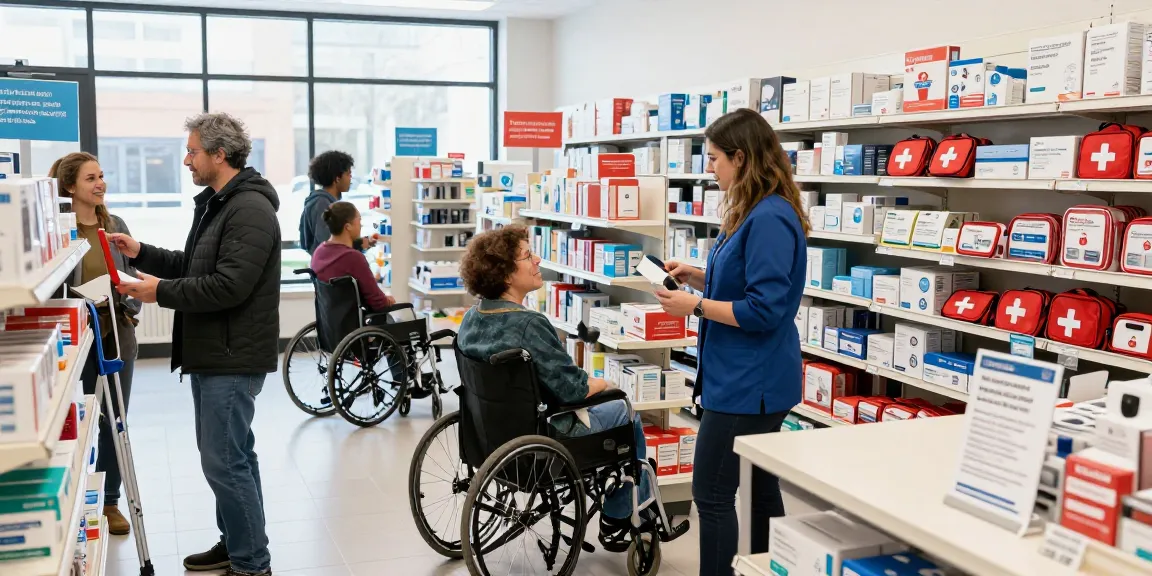
Understanding Your Medical Supply Needs
Understanding the complexities of healthcare can be daunting, especially when it comes to sourcing the right medical supplies. Whether you're managing a chronic condition, recovering from surgery, or providing care for a loved one, having access to the appropriate medical supplies is crucial. In Montreal, a diverse range of suppliers is available to cater to various health needs, making it essential to identify and differentiate the types of products that best serve individual requirements. When exploring options, medical supplies montreal provides comprehensive insights into what’s available and how to choose wisely.
Identifying Essential Medical Supplies for Home Care
Home care has become increasingly common, necessitating access to essential medical supplies. From wound care items like dressings and antiseptics to mobility aids such as walkers and wheelchairs, identifying what you need is the first step in ensuring effective care. Consider the following essential supplies:
- Personal Protective Equipment (PPE): Masks, gloves, and face shields to protect both caregiver and patient.
- Mobility Aids: Canes, walkers, and commodes to assist in daily movement.
- Wound Care Supplies: Bandages, sterile gauze, and ointments for injury management.
- Incontinence Products: Adult diapers and pads for comfort and hygiene.
- Monitoring Equipment: Blood pressure cuffs and glucose monitors for chronic condition management.
Finding the right mix of these supplies can optimize care at home and improve the quality of life for patients and caregivers alike.
Customizing Solutions for Individual Health Conditions
Each patient has unique health considerations that affect their medical supply needs. For instance, individuals suffering from diabetes may require specialized monitoring devices and nutritional support products, while those recovering from surgeries might need assistive devices tailored for rehabilitation. In tailoring solutions, it's essential to evaluate:
- The severity of the condition and specific needs.
- Recommended practices from healthcare professionals.
- The availability of products tailored to individual requirements.
This customization ensures that patients receive the most effective care, reducing complications and improving recovery rates.
Common Misconceptions About Medical Supplies
Misunderstandings about medical supplies can hinder care and lead to unnecessary expenditures. Common misconceptions include:
- Medical Supplies Are Always Expensive: Many assume that quality medical supplies come with a hefty price tag, but there are affordable options without compromising quality.
- Only Hospitals Need Medical Supplies: Home care increasingly requires a range of products that are equally important for effective recovery and management.
- All Supplies Are the Same: Not all medical supplies are created equal; choosing the right brand and type is crucial.
Addressing these misconceptions helps individuals make informed decisions, fostering a more empowering approach to healthcare.
Top Medical Supply Providers in Montreal
Comparing Local Medical Supply Stores
Montreal boasts a variety of medical supply stores catering to different needs. When comparing local providers, consider factors such as product range, pricing, and customer service. Some notable stores include:
- Physio-Medic: Offers a wide selection of rehabilitation equipment and home healthcare supplies.
- Pharmaprix: This pharmacy chain provides an array of everyday medical supplies, from first-aid kits to mobility aids.
- Medline Canada: A comprehensive supplier known for its vast selection of medical products.
Local stores often provide personalized service and the advantage of immediate availability, which can greatly benefit urgent needs.
Evaluating Online Medical Supply Options
Online shopping for medical supplies has gained traction due to convenience and often broader selection. Websites like Amazon and specialized medical supply retailers allow users to compare prices easily and read reviews. Here are some benefits of online shopping:
- Wider Variety of Products: Access to products that may not be available in local stores.
- Customer Reviews: Insight from other users can guide purchasing decisions.
- Convenient Home Delivery: Products are delivered directly to your doorstep, saving time and effort.
While the convenience of online shopping is appealing, ensure that you are purchasing from reputable sites to avoid counterfeit products.
Customer Reviews: What to Look For
When assessing potential purchases, customer reviews can provide invaluable insights. Key aspects to consider include:
- Product Quality: Look for comments on durability and effectiveness.
- Service Responsiveness: Feedback regarding the supplier’s customer service can highlight potential issues.
- Value for Money: Assess whether past customers believe they received a good return on investment.
Engaging with these reviews can lead to more informed purchasing decisions, ultimately enhancing care quality.
Navigating Insurance and Payment Options
Understanding Coverage for Medical Supplies
Navigating insurance coverage for medical supplies can be challenging. Many policies include provisions for certain supplies, depending on your health condition. To better understand coverage:
- Contact your insurance provider for specific details on what medical supplies are covered.
- Review your policy to identify any exclusions and limitations.
- Ask your healthcare provider for recommendations that comply with your insurance plan.
Understanding these elements can significantly reduce out-of-pocket expenses.
Tips for Maximizing Your Claims
To ensure you receive the maximum possible reimbursement for medical supplies, consider the following tips:
- Keep All Receipts: Document every purchase meticulously for claim submissions.
- Submit Claims Promptly: Adhere to your insurance company's deadlines for claiming expenses.
- Consult a Financial Advisor: Professionals can assist in navigating complex claim processes.
Being proactive with claims can lead to more efficient reimbursements.
Financial Assistance Programs for Medical Needs
For individuals facing financial constraints, various assistance programs are available to help cover medical supply costs. Government and non-profit organizations often provide aid. Resources include:
- Federal and Provincial Programs: Check with provincial health ministries for support programs that may be available.
- Charity Organizations: Many foundations and charities provide funds or discounts for medical supplies.
- Community Health Centers: Offer assistance and resources to those in need.
Investigating these options can provide significant financial relief for patients and families.
Trends in Medical Supplies for 2026
Innovations Changing the Medical Supply Landscape
The landscape of medical supplies is rapidly evolving, driven by technology and innovation. In 2026, some key trends to watch include:
- Telemedicine Integration: As telehealth becomes more common, supplies that facilitate remote monitoring are increasingly essential.
- Smart Medical Devices: Wearable technology that can track vital signs and medical data in real time is on the rise.
- Customizable Products: Advances in 3D printing are allowing for tailored medical equipment that meets specific patient needs.
Staying informed about these trends can help consumers make educated decisions regarding their medical supply purchases.
The Rise of Eco-friendly Medical Supplies
With a growing emphasis on sustainability, eco-friendly medical supplies are gaining traction. Products made from biodegradable materials or those that can be recycled are becoming more available. Consider the following aspects:
- Environmental Impact: Eco-friendly options reduce waste and pollution.
- Consumer Demand: A shift toward sustainable products reflects broader trends in consumer behavior.
- Future Regulations: Upcoming laws may require healthcare suppliers to adopt more environmentally friendly practices.
These changes not only benefit the planet but can also improve corporate responsibility within the healthcare sector.
Future Technologies in Health Management
The future of health management is intricately tied to technological advancements. Innovations on the horizon for 2026 include:
- AI and Machine Learning: These technologies are expected to enhance patient monitoring and predictive analytics in healthcare.
- Robotic Assistance: Robotics will play a significant role in rehabilitation and daily living aids.
- Blockchain for Health Records: To enhance security and accessibility of medical histories, blockchain technology is gaining ground.
These technologies promise to revolutionize how medical supplies are managed and accessed in the coming years.
Real-World Applications of Medical Supplies
Personal Stories: Transformations Through Proper Supplies
Real-world experiences illustrate the profound impact of having the right medical supplies. For instance, a patient recovering from hip surgery shared how using an adjustable walker helped regain independence and confidence. Similarly, a caregiver recounted how specialized incontinence products drastically improved their loved one's comfort and dignity, highlighting the importance of selecting appropriate supplies.
Case Studies: Successful Use of Medical Equipment
Several documented case studies emphasize successful applications of medical supplies:
- Post-Surgical Recovery: A patient utilizing a combination of physical therapy and home medical supplies improved recovery time and mobility.
- Chronic Condition Management: Patients using remote monitoring equipment reported better health outcomes and fewer hospital visits.
These cases illustrate how effective utilization of medical supplies can lead to successful health management.
Expert Insights on Best Practices in Home Health Care
Experts emphasize best practices that shape effective home health care strategies:
- Regular Assessment: Continuously evaluate your medical supply needs as conditions change.
- Training for Caregivers: Equip caregivers with knowledge about equipment usage and safety measures.
- Involve Healthcare Professionals: Constant communication with healthcare providers ensures proper usage of supplies.
Implementing these practices can enhance care quality and patient satisfaction.
What Are the Best Medical Supplies for Emergencies?
In emergencies, having an appropriately stocked first aid kit can be life-saving. Essential supplies may include:
- Adhesive bandages of various sizes
- Antiseptic wipes and ointments
- Medical tape and gauze
- Scissors and tweezers
- Instant cold packs
Being prepared with the right supplies can make all the difference in urgent situations.
How to Choose the Right Medical Equipment for Seniors?
When selecting medical equipment for seniors, consider the following factors:
- Ease of Use: Choose equipment that is simple and intuitive to operate.
- Safety Features: Look for products with added safety measures, such as non-slip grips.
- Comfort: Ensure that the equipment supports the user’s comfort and ergonomic needs.
Taking these aspects into account ensures seniors receive appropriate and effective medical support.
What Are the Latest Trends in Medical Supply Quality?
Quality remains a critical focus in the medical supply industry. Trends indicating an increase in quality include:
- Regulatory Standards: Stricter guidelines from health authorities are ensuring higher product quality.
- Quality Certifications: Suppliers are increasingly seeking certifications that validate their products’ efficacy.
- Consumer Feedback Integration: Manufacturers now place greater emphasis on customer reviews to enhance product quality.
These developments signify a positive shift towards ensuring safer and more reliable medical supplies.
How to Handle Medical Supply Returns and Exchanges?
Returns and exchanges are necessary components of the purchasing process. To navigate this efficiently:
- Understand Policies: Familiarize yourself with the supplier’s return and exchange policy before purchasing.
- Keep Packaging: Retain the original packaging to facilitate easier returns.
- Document Everything: Keep records of purchases, including receipts and correspondence with the supplier.
Following these guidelines can make the return process smoother and more hassle-free.
What New Technologies in Medical Supplies Should I Know?
Emerging technologies are set to influence medical supplies significantly. Key advancements include:
- Wearable Health Monitors: Devices that track vital signs in real-time are becoming essential.
- Telemedicine Equipments: Systems enabling remote consultations are increasingly in demand.
- Artificial Intelligence: AI-driven tools that assist in diagnoses and suggest supplies.
Keeping abreast of these innovations can ensure you have access to cutting-edge medical solutions.